Design Journey 101
Self Guided

Activating Your Community for Design

Dive In & Try it OutGreen Circle

Now that you've learned about community-based design, it's time to put your skills into practice!

You can engage your community—caregivers, students, teachers, or community members—in various ways.

You might engage all four groups for this module or focus on just one. Gathering the community might look like hosting a design night, where you complete these activities in a rotation with various stakeholders, or integrating them into existing structures like grade-level team meetings and caregiver nights. Take pictures! 

1. Conduct Interviews

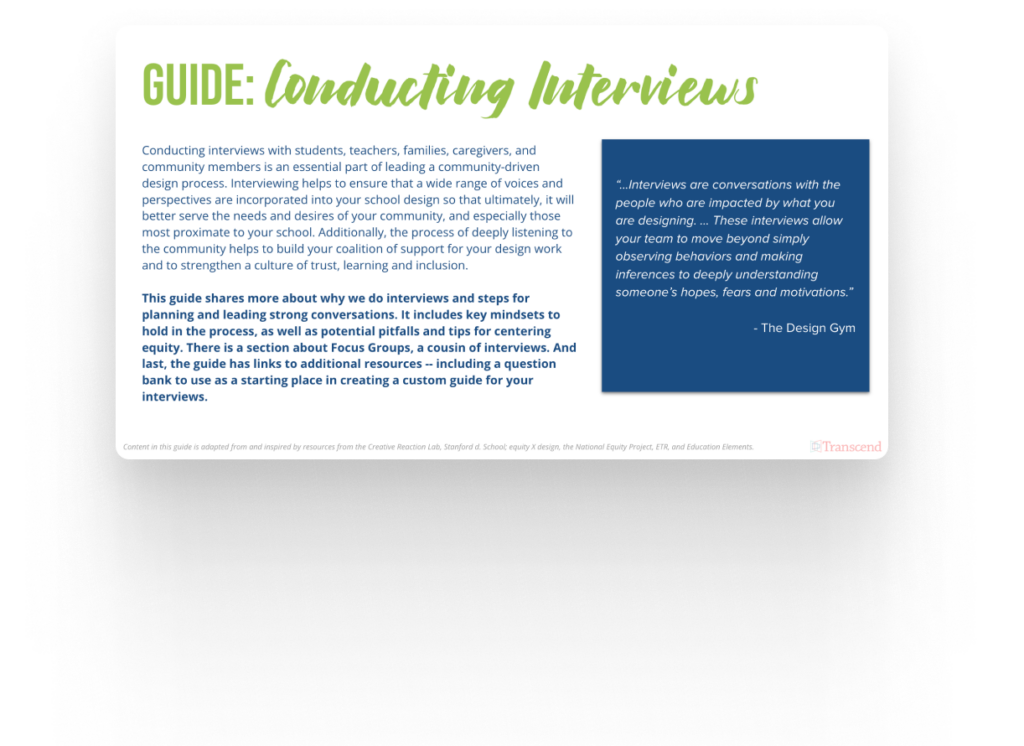
Interviewing community members about their hopes for the school's design ensures that future redesign efforts reflect the collective vision and values of those it will serve, fostering a sense of ownership and alignment with the community's needs and aspirations.

  1. Prepare: Use these resources to develop a clear set of open-ended questions to guide the conversation.
  2. Build Rapport: Consider how you will create a comfortable and trusting environment for the participants.
  3. Conduct the Interview: Ask your questions, listen actively, and record the responses.
  4. Document: Ensure accurate and thorough documentation of the feedback received.
  • Diverse Backgrounds: Be mindful of participants’ varying experiences and perspectives.
  • Safety and Inclusivity: Make sure the environment feels safe and inclusive for all participants.
  • Flexibility: Adapt your approach to suit different communication styles and comfort levels.

Click on this guidance to learn more.

open link icon

Create your interview questions and templates here.

  1. Preview Your Cards: Familiarize yourself with the trend cards in advance to understand their content and context.
  2. Organize a Session: Set up a meeting with diverse stakeholders, ensuring a collaborative environment.
  3. Discuss Each Card: Facilitate a discussion on each trend card, encouraging participants to share their thoughts and perspectives.
  4. Document Insights: Record key points and insights from the discussions.
  • Inclusivity: Ensure all voices are heard, especially from underrepresented groups.
  • Open Dialogue: Promote open and respectful conversations.
  • Content Relevance: Choose trend cards to spend more time on that resonate with your community’s specific needs and goals.

For more detailed guidance, refer to the Trend Cards .

open link icon
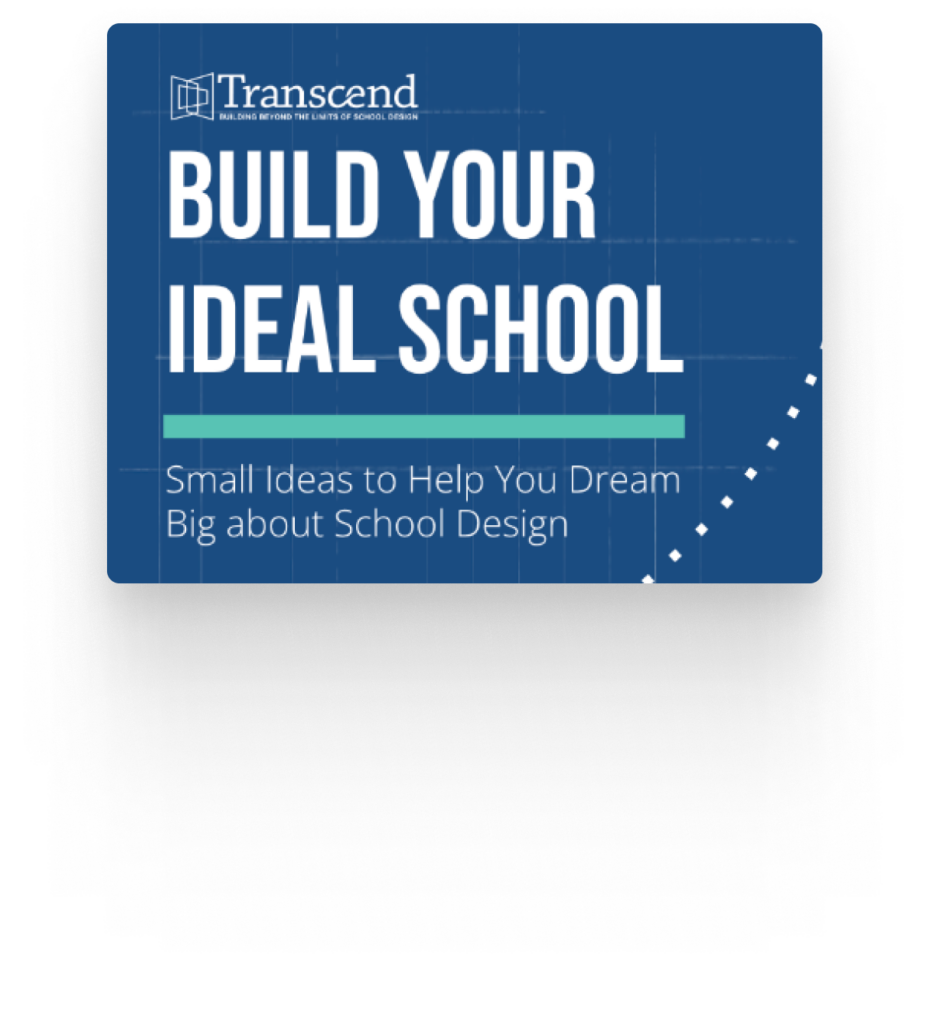
  1. Preview the Cards: Familiarize yourself with the “Build Your Ideal School” cards in advance to understand their content and purpose.
  2. Plan the Session: Set up a meeting with diverse stakeholders.
  3. Facilitate the Activity: Guide participants through the process, encouraging them to select and discuss the cards, focusing on their vision for an ideal school.
  4. Record Insights: Document key points, common themes, and innovative ideas from the discussions.
  • Inclusivity: Ensure all participants feel valued and heard. Encourage participants to expand on their ideas.
  • Vision Alignment: Drive conversations that align with the community’s shared goals and aspirations.
  • Actionable Outcomes: Help participants identify actionable steps based on the ideas generated.

Use these cards and this handout

Ready to make meaning of what you heard?